
.jpg)
The US and Israeli air strikes against Iran in early 2026 have pushed geopolitical tensions in the Middle East to unprecedented levels, creating significant repercussions for the global insurance market. According to analysis by Kennedys Law, the impact extends beyond war insurance and spreads across marine, aviation, trade credit and political risk lines.
1. Political Violence Insurance
Shortly after the initial attacks, Iran launched retaliatory missile and drone strikes against several Gulf states and Israel. Some missiles and drones penetrated defensive systems, causing damage to both military and civilian assets, including airports, ports, shopping malls, hotels, oil refineries and LNG facilities.
This may lead to:
- A wave of claims for damage to privately owned assets under political violence policies.
- Losses insured by local carriers but reinsured into the London market.
- Legal issues relating to “aggregation” of losses under reinsurance contracts.
In addition, concerns that the US and its allies have finite interceptor missile supplies increase the risk of large-scale losses should the conflict become prolonged.
2. Marine Insurance
The Red Sea, Gulf of Aden and Persian Gulf have already been designated war exclusion areas under many hull policies. The current escalation significantly heightens risk, including:
- Vessels attacked in the Strait of Hormuz and off Oman.
- The risk of severe pollution if laden tankers are struck.
- The potential closure of the Strait of Hormuz (through which approximately 20% of the world’s oil and LNG supply passes).
Insurance consequences may include:
- Sharp increases in war premiums.
- Claims under loss of hire policies.
- Potential constructive or actual total loss claims if vessels are detained for more than 12 months.
- Disputes between owners and charterers regarding orders to trade into affected areas, off-hire issues and frustration of contract.
Furthermore, vessels switching off AIS for security reasons, as well as incidents of GPS spoofing, may increase the risk of collision and grounding, placing additional pressure on hull and liability insurers.
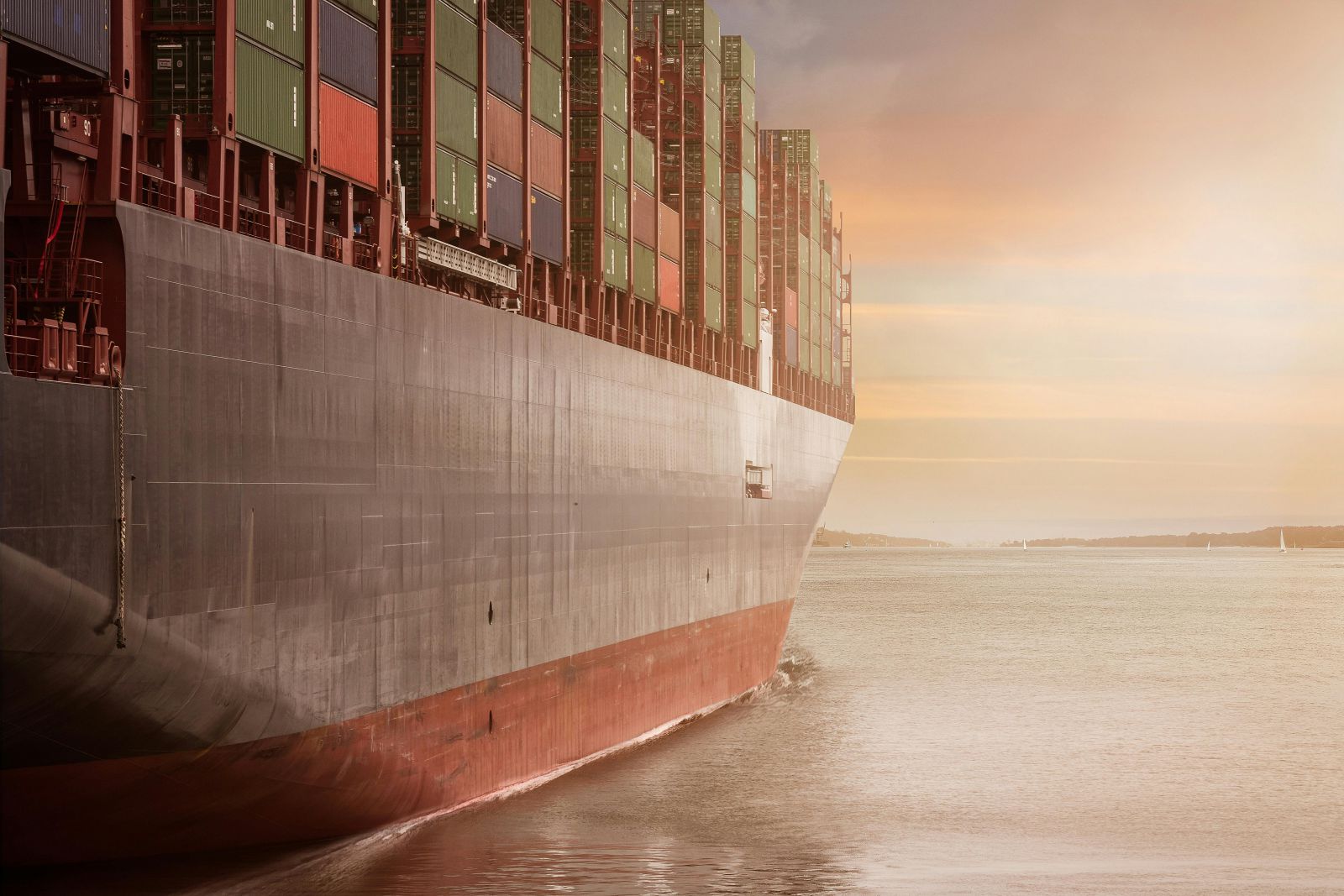
In respect of cargo insurance, approximately 135,000 containers (estimated at USD 4 billion in value) are currently in transit in the region. Diversions around the Cape of Good Hope would increase cost, delay and supply chain disruption. Coverage will depend on whether losses are characterised as war or terrorism, and on the application of delay exclusions.
3. Aviation Insurance
The closure of airspace in Qatar, the UAE, Bahrain and Kuwait has left large airline fleets grounded. Missile strikes on airports significantly increase the risk of aircraft being destroyed while parked on the ground.
Notably, following the decision in AerCap Ireland Limited & Others v AIG & Others [2025], aircraft may already be deemed to be in the grip of a “war peril” before physical damage occurs, potentially rendering war insurers liable even if review or cancellation notices have been issued.
This could materially increase the exposure of the aviation war market.
4. Political Risk and Trade Credit
If the Strait of Hormuz remains closed for an extended period:
- Oil prices could exceed USD 100 per barrel.
- Inflationary pressures could re-emerge.
- A global economic recession could follow.
An economic downturn may result in:
- Increased trade credit claims due to corporate insolvencies.
- “Contract frustration” claims arising from failure to perform delivery obligations.
- Potential “forced abandonment” claims under political risk policies where companies withdraw from the region due to the conflict.
Asian economies such as China, India, Japan and South Korea are particularly vulnerable due to their reliance on Gulf energy imports.
5. Recommendations for Insureds in Vietnam
Although Vietnam is not directly involved in the conflict, Vietnamese businesses may be indirectly exposed through global supply chains, energy price volatility and international insurance markets. Insureds in Vietnam should proactively assess their risk position and insurance arrangements in light of the current geopolitical developments.
5.1. Review War and Political Violence Coverage
- Verify whether war, terrorism and political violence risks are covered, excluded or sub-limited under property, cargo and liability policies.
- Check whether separate war policies apply and understand notice of cancellation provisions.
5.2. Assess Marine and Cargo Exposure
- Identify shipments transiting the Red Sea, Gulf of Aden or Strait of Hormuz.
- Confirm whether war risk extensions are in place and whether additional premiums (APs) may apply.
- Review delay exclusions and coverage implications if goods are detained but not physically damaged.
- Engage with logistics partners to evaluate alternative routing and contractual risk allocation.
5.3. Consider Contractual Risk and Force Majeure
- Review force majeure and sanctions clauses in commercial contracts.
- Assess potential exposure to contract frustration or non-performance claims arising from supply chain disruption.
- Clarify allocation of risk between sellers, buyers, charterers and freight forwarders.
5.4. Monitor Trade Credit and Counterparty Risk
- Evaluate the financial strength of overseas buyers and suppliers, particularly those exposed to energy price volatility.
- Review credit limits under trade credit policies and notification requirements for overdue payments.
- Consider stress-testing receivables where counterparties operate in high-risk regions.
5.5. Energy-Dependent Industries
Industries in Vietnam heavily reliant on imported oil and LNG (manufacturing, power generation, transport and heavy industry) should:
- Assess the impact of sustained high energy prices on operating margins.
- Review business interruption coverage triggers, noting that most BI policies require physical damage unless extensions apply.
- Consider hedging strategies alongside insurance solutions.
5.6. Aviation and Marine Operators
Vietnamese airlines, shipowners and charterers should:
- Closely monitor war risk premium adjustments and insurer review notices.
- Maintain clear documentation of routing decisions and risk assessments.
- Review detention, loss of hire and off-hire provisions in charterparties.
5.7. Engage Early with Brokers and Insurers
Given the likelihood of premium volatility and tightening underwriting conditions:
- Engage early in renewal discussions.
- Provide updated exposure data and risk management information to insurers.
- Explore capacity availability, especially for war and political violence lines.
Conclusion
The US–Iran conflict represents not only a geopolitical crisis but also a significant stress test for the global insurance market. From political violence and marine to aviation, trade credit and political risk, the impact is multi-layered and may persist even after direct military operations cease.
The insurance market may face:
- Increased losses and legal disputes,
- Volatility in war premiums,
- Liquidity and reinsurance pressures,
- Aggregation risk across multiple lines of business.
Developments in the Middle East will play a critical role in determining the ultimate scale of losses for the global insurance industry in 2026.
Reference:
Kennedys Law (2026), War with Iran: implications for the insurance market.
 Sending data...
.jpg)

.jpg)